Vegetable Recipes
217
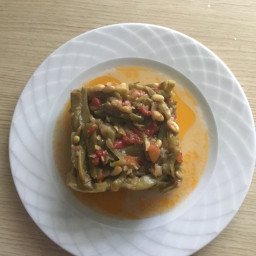
For a light and cold starter, one of the most preferred vegetables in the summer months is fresh Ayşe Kadın beans. A delicious and healthy option that can also be consumed as a main course in a vegetarian diet. Enjoy…
 45 Min


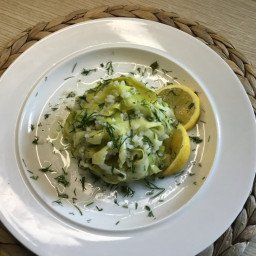
Cretan Style Stuffed Zucchini, one of the lightest and most special dishes of the Mediterranean cuisine, is originally made with Cretan squash. It is usually flavored with fresh dill or fresh mint. Unlike other pumpkin…
45 Min

Purslane, which grows widely in temperate climates, is a medicinal herb of Asian origin and also used in Chinese medicine. Every part of the plant except the root, including leaves, stems, flowers and seeds, can be…
40 Min
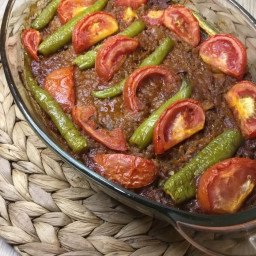
Dishes in which vegetables and meat are arranged in layers and cooked without mixing are in the "sitting" category in Turkish Cuisine. Eggplant and minced meat are among the flavors that go well together. Although…
75 Min

Chard, which comes from the spinach family and looks very similar to spinach, is a nutritious, satisfying and rich green vegetable. Borani is a type of dish in Turkish cuisine that combines green vegetables with yoghurt…
60 Min
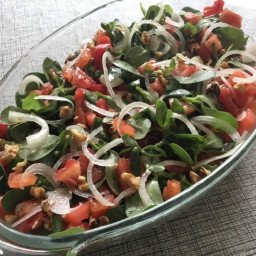
Purslane, locally known as pirpirim herb, is a herbal source of omega-3 and iron. It is also an energizing, healthy herbal food due to the many vitamins and minerals it contains. In terms of heart health, it is…
5 Min
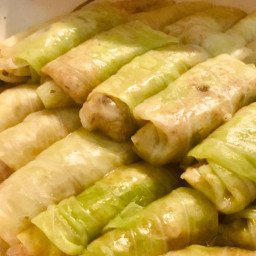
Cabbage, one of the most economical and accessible vegetables of the winter season, contains high vitamins, minerals and fiber. In Anatolian cuisine, stuffed wraps are made without meat, with bulgur, plenty of mint and…
75 Min
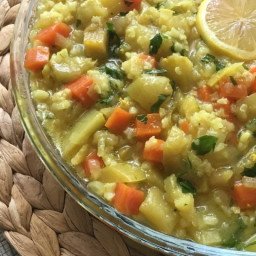
Cabbage is a vegetable that is most easily accessible during the winter months and is very rich in fiber and vitamins. You can consume it cold or hot when cooked without meat, along with plenty of vegetables. It will…
40 Min